
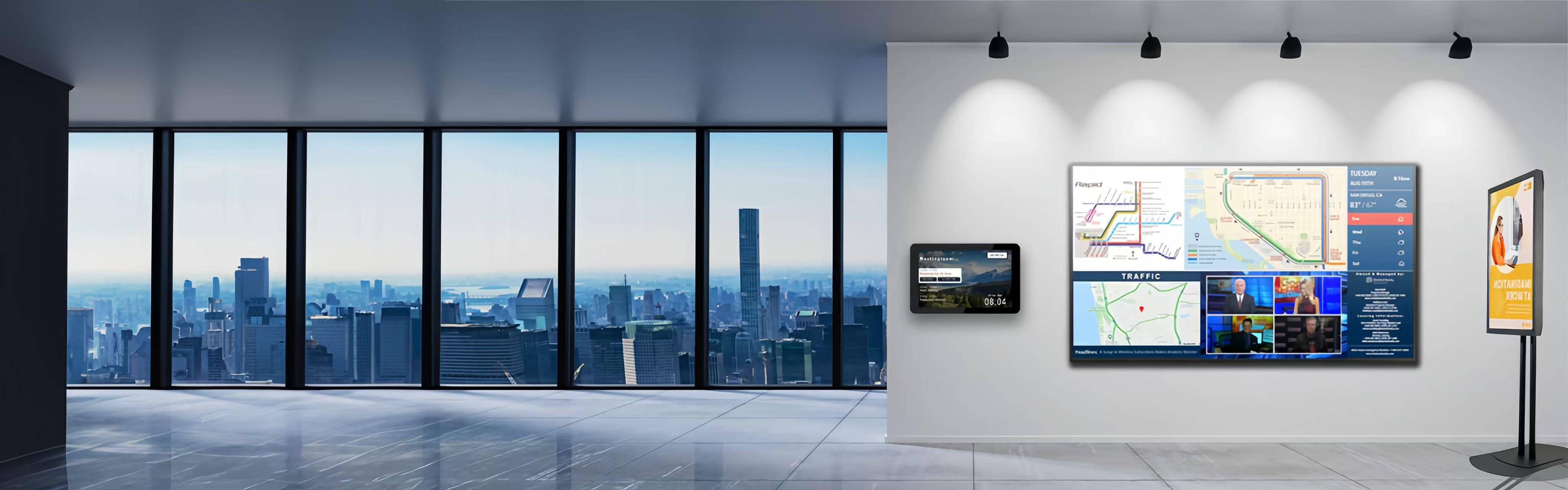
As digital transformation sweeps across the globe, digital signage has emerged as a powerful tool for businesses to boost communication efficiency and strengthen brand presence. According to reports, the global digital signage market was valued at $18.7 billion in 2020 and is projected to grow to $26.1 billion by 2028, highlighting its pivotal role in modern advertising and messaging. From corporate offices and transportation hubs to healthcare facilities, event venues, and hospitality settings, digital signage boards are reshaping how industries engage with their audiences.
Despite its widespread adoption, not all businesses are achieving the ideal impact from their digital signage systems. The question is: why do some companies succeed in captivating customers and enhancing brand value, while others struggle to see results? The answer often lies in the details. Even with cutting-edge software and carefully crafted content, ineffective usage can result in missed opportunities and poor communication outcomes.
To help businesses avoid these pitfalls, this guide will walk you through common mistakes to avoid and offer practical tips for optimising digital signage boards. By implementing these best practices, your business can maximize the impact of your digital signage device, improving both information delivery and brand promotion to stay ahead in an increasingly competitive market.
Common Digital Signage Mistakes and Optimisation Tips
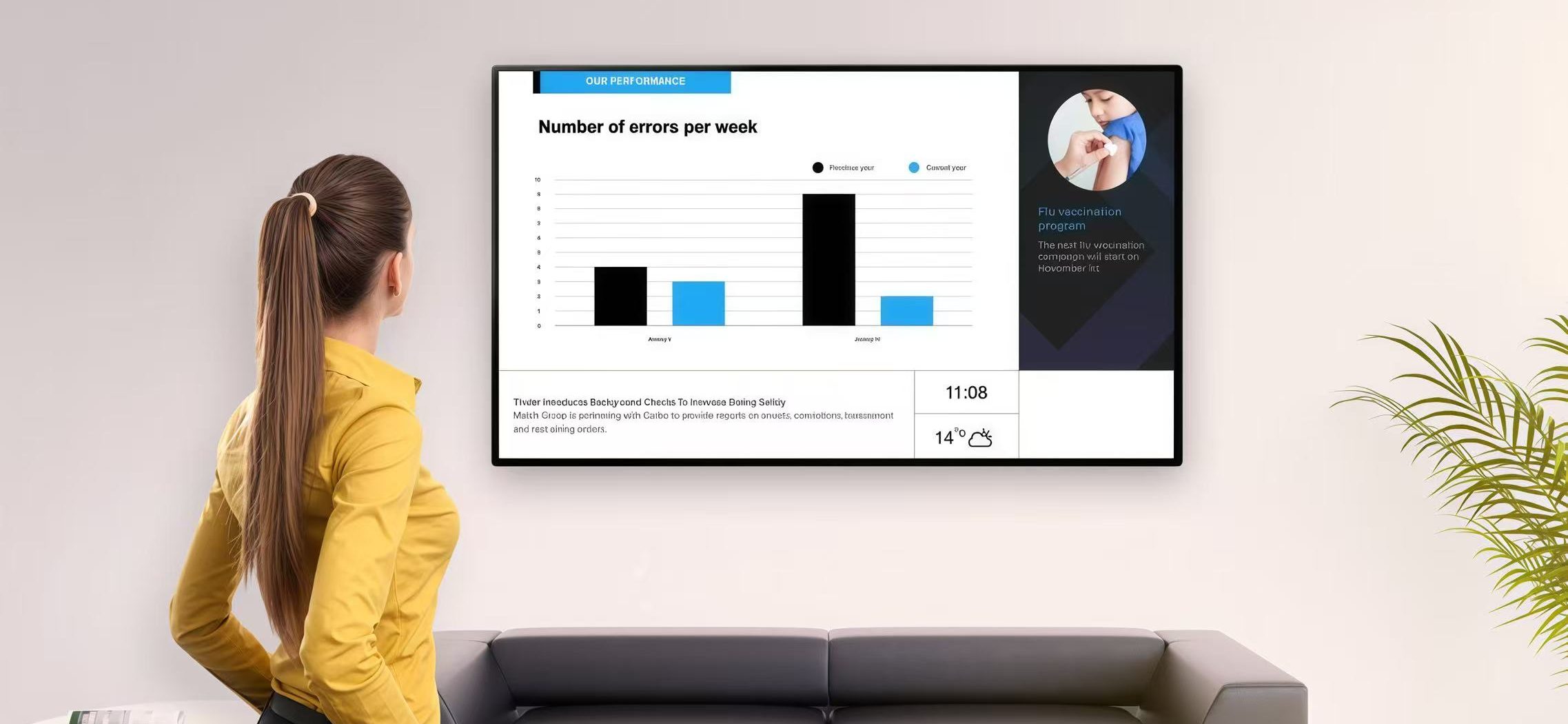
In real-world digital signage applications, businesses often miss crucial details, which can greatly diminish their promotional impact. Here are six common mistakes and actionable tips to optimise digital signage systems, improve message delivery, and elevate customer engagement.
- Overloading Screens with Too Much Content
Cramming too much information onto a digital signage screen is one of the most common mistakes. In digital signage devices, viewers have limited time to process what they see. Overloaded content can confuse your audience or cause them to ignore your message altogether.
✅ Tip: Focus on delivering one core message per page to avoid overwhelming your audience. For instance, instead of listing multiple safety instructions, display a simple, direct message like “Please wear safety goggles before operating.” This ensures clarity and quick comprehension.
2. Using Monotonous and Dull Content
Plain text or overly serious designs can cause viewers to lose interest quickly. Monotonous content leads to visual fatigue, reducing engagement.
✅ Tip: Incorporate high-quality images, dynamic graphics, and videos to make your digital signage board more engaging. For example, a food advertisement showcasing vibrant images of fresh ingredients can better capture attention. Avoid blurry or pixelated images, as they can appear unprofessional.
3. Ignore Design Principles
Without a clear visual hierarchy, key information can get lost, making it harder to capture attention. Disorganised content feels chaotic and fails to draw the viewer’s attention.
✅ Tip: Highlight key information by adjusting font sizes, using bold text, and applying contrasting colors. For example, use bright colors for headlines or bold fonts to ensure important messages are immediately noticeable.
4. Underestimate the Importance of Location
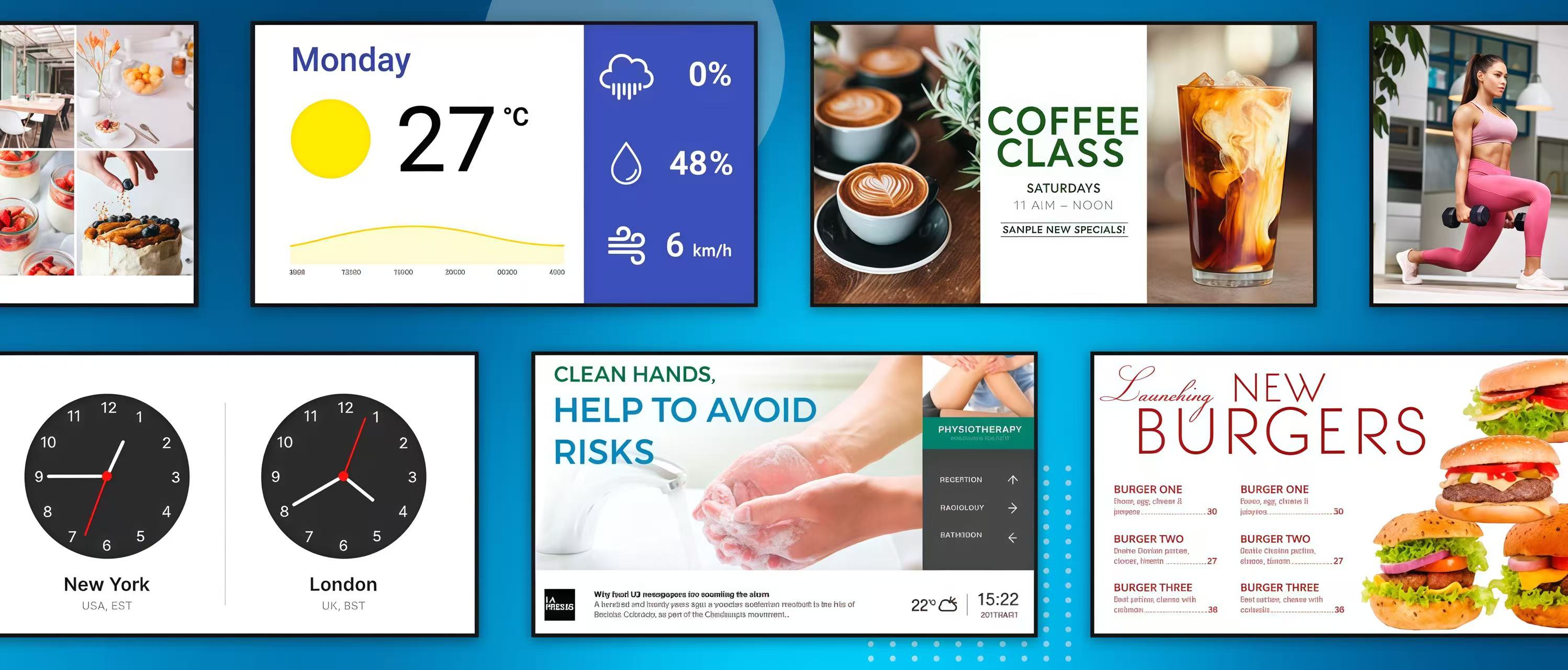
The placement of digital signage devices directly impacts visibility and engagement. If digital signage screens are positioned too high, too low, or in poorly lit areas, viewers may struggle to see the content clearly.
✅ Tip: Position digital signage devices at eye level or slightly higher for optimal visibility. If a higher installation is necessary, adjust the screen angle accordingly. Place digital signage screens in high-traffic areas to maximise visibility and avoid blind spots.
5. Neglecting Regular Maintenance
Many businesses overlook routine maintenance, resulting in outdated content or system malfunctions. This can negatively impact user experience and diminish the digital signage system’s impact.
✅ Tip: Implement a regular maintenance schedule to ensure digital signage hardware, software, and content are always up to date. Use automated management tools to streamline updates and keep your digital signage device fresh and relevant.
6. Failing to Customise Content
A digital signage device is a unique medium, and simply repurposing website or brochure content often fails to resonate with viewers. Generic content lacks the impact needed for effective communication.
✅ Tip: Customise your content to suit the digital signage screen size, environment, and target audience. For outdoor digital signage, use bold, concise messages that are readable from a distance. For indoor digital signage, incorporate interactive elements to engage viewers.
The Best Practices for Digital Signage

To help businesses make the most of digital signage and enhance brand engagement, we’ve summarised some essential best practices. From content design to system maintenance, these tips will ensure your digital signage device stands out and delivers real value.
1. Design Clear and Readable Content
Effective content design is key to engaging your audience. Keep the message simple and easy to read by following these guidelines:
- Keep It Concise: Avoid overloading digital signage screens with lengthy information. Use short, impactful text that delivers your message quickly.
- Optimise Layout: Ensure proper line spacing, standardised fonts, and a balanced digital signage layout to improve readability.
- Use Harmonised Colours: Choose colours that enhance clarity. Avoid overly bright or clashing colours that distract from the message.
2. Improve Text and Background Contrast
Readability is crucial for digital signage board success. Ensure that your text contrasts well with the background to enhance visibility:
- High Contrast: Use dark text on a light background or light text on a dark background to improve message recognition.
- Prioritise Readability: Ensure that all text is legible from a distance and in different lighting settings to maximise the impact of your message.
3. Add Dynamic Effects and Interactive Elements
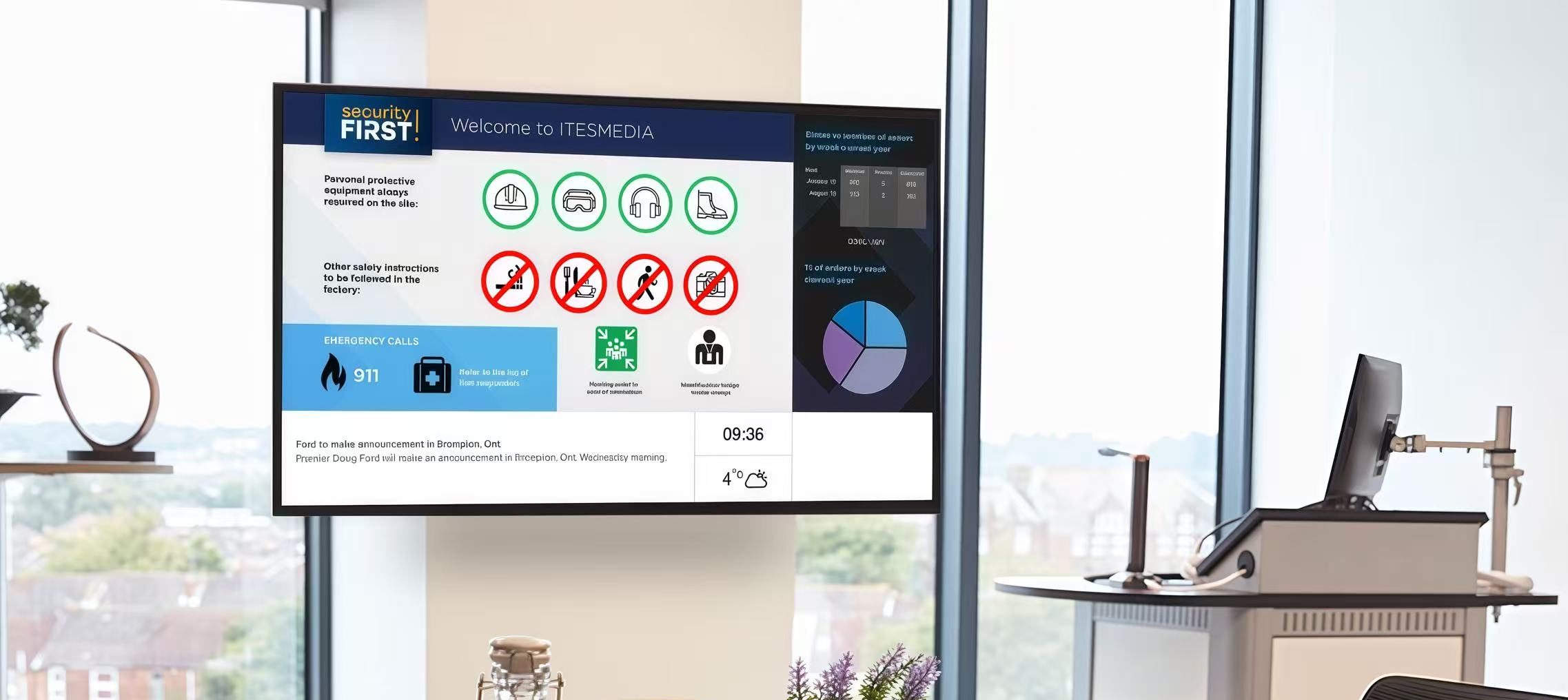
Monotonous content can easily go unnoticed. Make your digital signage device more engaging by incorporating dynamic effects and interactive features:
- Keep It Dynamic: Use animated effects and dynamic content to capture attention. For instance, in retail environments, dynamic ads can draw customers in and boost conversion rates.
- Interactive Content: Incorporate touch screens or QR codes to encourage interaction and enhance user engagement.
4. Regular Updates and Maintenance
Stale content can lead to viewer disengagement. Regular updates and maintenance ensure your digital signage board stays fresh and relevant:
- Real-Time Updates: Use automated digital signage content management software to keep your signage current. Frequent updates help prevent “visual fatigue” from repeated messages.
- Routine Maintenance: Regularly inspect digital signage hardware and software systems to avoid unexpected downtime and ensure smooth operations.
5. Tailor Content to Your Audience
The success of digital signage boards lies in delivering the right message at the right time. Personalise your content based on your target audience’s preferences:
- Audience-Centric Design: Gain a deep understanding of your audience’s interests and tailor display content to match their preferences and behaviors for maximum engagement.
- Timing Matters: Use data insights, such as peak traffic times, to schedule content for maximum visibility. For example, displaying promotional messages during busy hours in shopping centers can significantly improve engagement.
By following these best practices, businesses can unlock the full potential of digital signage. From boosting brand visibility to enhancing customer engagement, optimised digital signage content can drive stronger results and create lasting impressions.

Conclusion
In the age of digital transformation, digital signage serves as a powerful platform for brand communication and information delivery. To unlock its full potential, businesses must optimise digital signage screen placement, content design, and maintenance strategies.
By avoiding common mistakes and adopting best practices for digital signage , enterprises can enhance information dissemination, strengthen brand presence, and gain a competitive edge in today’s market. With thoughtful planning and continuous optimisation, digital signage becomes a valuable asset for driving business success in the digital age.