In today’s digital era, technology is rapidly revolutionising various aspects of our lives, including the way we order food at restaurants, now with the introduction of digital menus.
Many restaurants are adopting digital menu boards to enhance the customer experience and provide contactless service whenever possible. Recent surveys indicate that approximately 30% of customers consider digital menus as a decisive factor in their purchasing decisions.
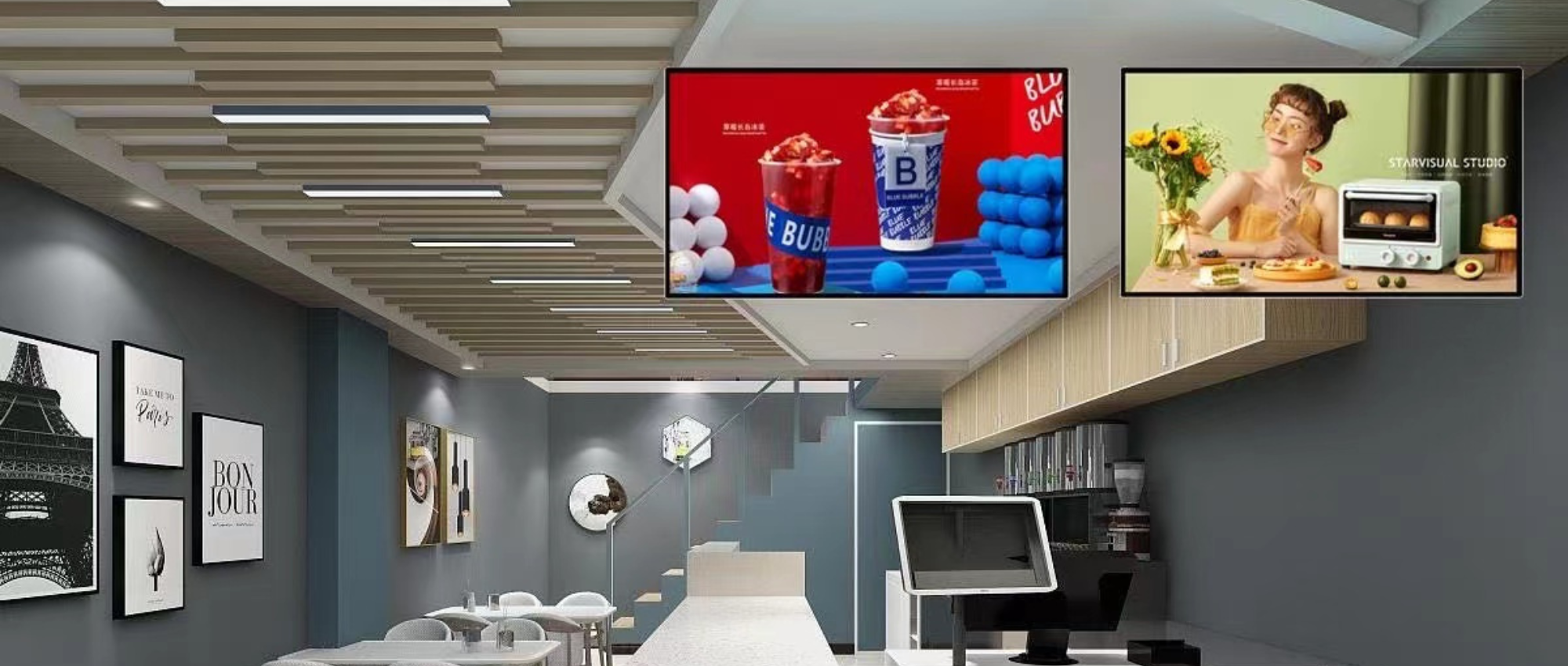
So, what exactly are digital menu boards? They are electronic versions of the traditional printed menus found in restaurants. These menu boards, commonly seen in restaurant chains like Subway, Burger King, and McDonald’s, employ TV screens to display menu items and order statuses. Unlike paper menus, digital menus can easily incorporate various forms of information, such as images, videos, and text.
Typically, digital menu boards are mounted on walls or placed in prominent locations within the restaurant. They allow customers to peruse the menu while waiting in line, enabling them to explore their options before reaching the counter.
Why Does Your Restaurant Need a Digital Menu Board?
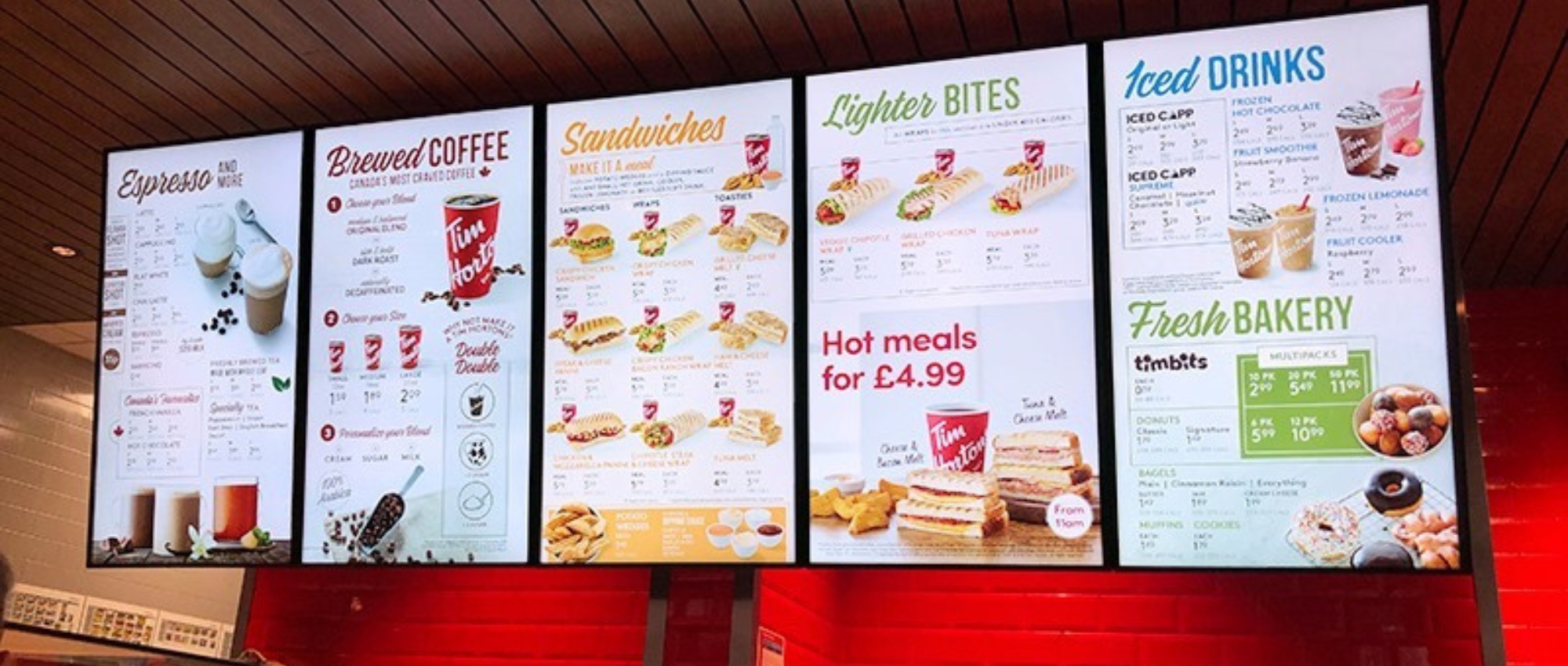
Convenience and Ease of Use
Digital menu boards offer an efficient, easy-to-use solution for both customers and restaurant owners. Customers benefit from clear, visually appealing displays, while owners can quickly update menus using digital signage software. Changes such as daily specials or time-based promotions can be made in just a few taps, saving time and reducing costs while improving overall operational efficiency.
- Cost-effectiveness and Minimal Maintenance
Regularly printing restaurant menus and ordering new posters for menu changes can be expensive. By investing in digital signage, there’s no need to incur additional costs for printing and replacing posters. The digital menu board eliminates the need for front-line staff to handle physical menu changes. This results in significant cost savings and streamlines maintenance processes.
- Enhanced Customer Experience
Digital restaurant menus displayed on screens enhance the dining experience for new customers by clearly presenting food options and reducing confusion. Their visual and interactive format improves customer enjoyment while helping to minimise wait times.
- Increased Sales Opportunities
Integrating digital menu boards with POS systems enables easy upselling through complimentary items, while restaurants without POS systems can still promote combo deals. Featuring appealing food images on digital menu boards increases upsell opportunities and drives higher sales. Studies show that restaurants using digital menu boards have achieved sales increases of up to 50% within a year.
24/7 Marketing Exposure
With a visible digital menu, even when the restaurant is closed, owners have a constant marketing message delivered 24/7. It serves as a powerful tool to promote the restaurant at all hours, every day of the week.
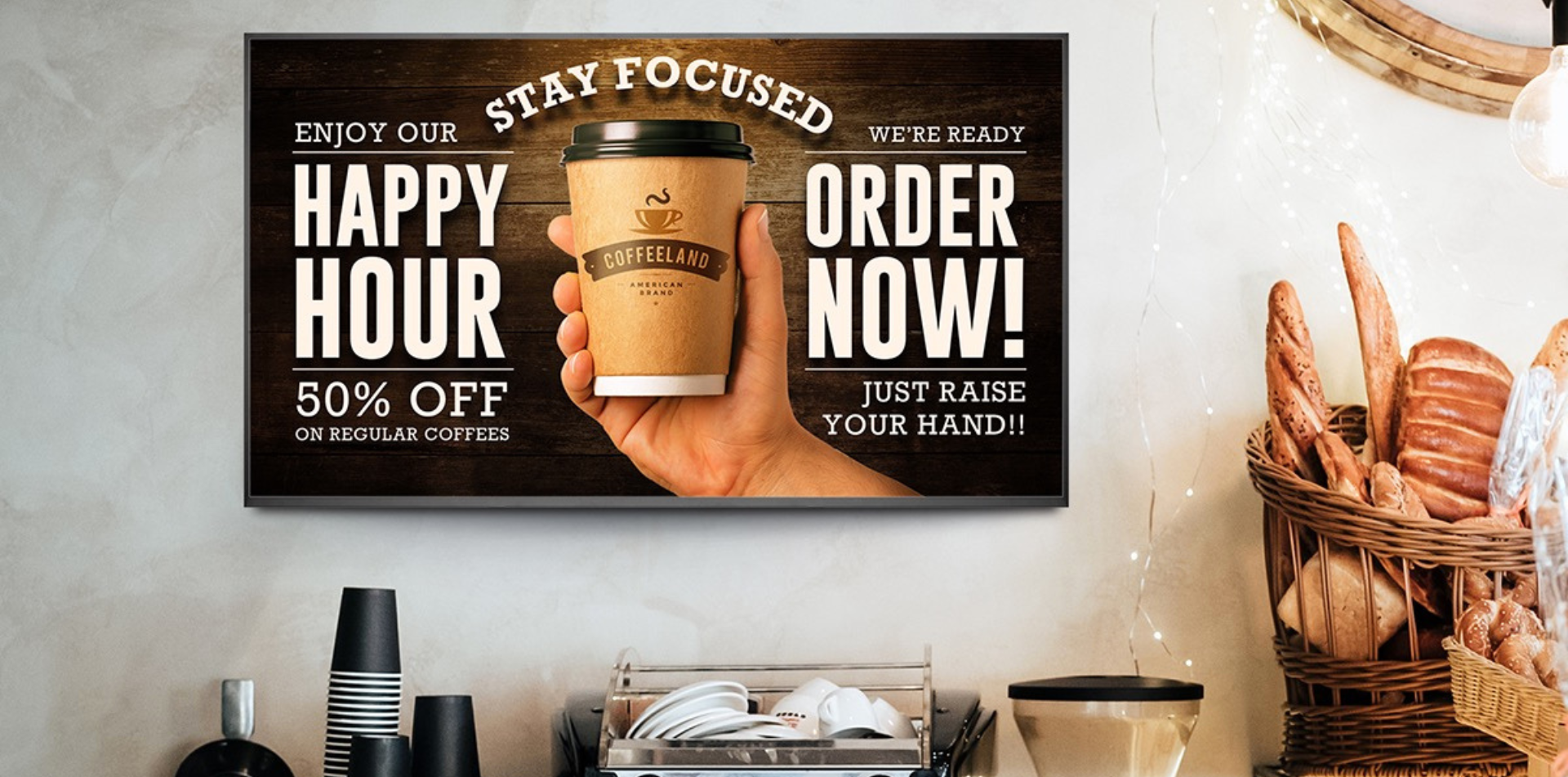
Consistent Branding
For restaurant chains with multiple locations, maintaining consistent branding and menus is crucial. Digital menu boards enable easy grouping of devices and mapping of identical menus across all locations within minutes. The same schedules and playlists can be created for each location, ensuring brand consistency and increased brand recall.
Automated Menu Rotation
Many restaurants have different menus for breakfast, lunch, and dinner, with specific timings for menu changes. With digital menu boards, owners can program automatic content switching based on these timings. It’s also useful for special menus during weekends, brunch, or happy hour, providing seamless transitions between different offerings throughout the day.
Attention-Grabbing Features
Digital menu boards offer attention-grabbing features, such as split-screen options, that enhance customer engagement. By displaying food menus and food videos simultaneously on the screen, customers are encouraged to pay attention to the menu board rather than their cellphones. Waiting customers are more likely to notice and engage with promotional material displayed on a TV screen rather than static posters.
How to Create a Digital Menu Board: Step-by-Step Guide?
To set up digital menu boards in your restaurant, you’ll need displays, software, and media players. Follow these steps to create an effective digital menu board:
1. Selecting the Right Digital Display
Selecting the Right Digital Display involves choosing a screen that suits both your space and audience. Place the display in a high-traffic area with clear visibility and select either landscape or portrait orientation based on your menu layout. Consider the room’s lighting and choose a display suitable for bright environments if needed. Additionally, evaluate factors such as screen size, viewing angles, durability, price, and warranty to ensure long-term value.
2. Choosing Digital Menu Board Software
- Cloud-Based Software: This solution is hosted on a vendor’s server and can be accessed from multiple devices at any time and from any location. The provider is responsible for all hardware and software maintenance, updates, and security, ensuring reliability. However, it requires a constant internet connection and may offer limited customisation options.
3. Selecting a Media Player
A media player is necessary to connect the display and showcase your digital content. It connects to the display through ports like USB, VGA, HDMI, DVI, or DP.
Follow these steps to set up your digital menu board and enhance the customer experience in your restaurant. By choosing the right display, software, and media player, you can create an engaging and dynamic menu presentation.
Conclusion
Digital menu boards are becoming increasingly popular in restaurants due to their ability to enhance the overall dining experience while supporting long-term customer engagement. Modern diners, particularly new customers, value efficient and time-saving dining options, and digital menus help meet these expectations. Unlike traditional paper menus, which are limited in space and flexibility, digital menus allow items to be clearly organised into categories and easily updated.
They can display detailed information such as breakfast, lunch, and dinner options, calorie counts, estimated wait times, and nutritional details, all of which contribute to improved transparency and customer satisfaction. When items sell out or ingredients need to be substituted, updates can be made instantly and reflected across all screens, ensuring accuracy and consistency. Adopting digital menu boards is a practical and forward-thinking investment that improves efficiency, enhances customer experience, and supports the evolving needs of modern restaurants.