
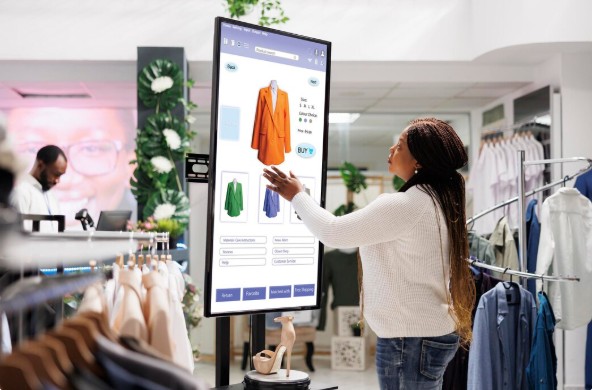
Retail digital displays have quietly changed the way shoppers move through stores, browse products and ultimately decide what to buy. Rather than relying purely on static posters or printed signage, retailers now use dynamic screens to capture attention, tell a story and guide customers towards a purchase in real time. This shift isn’t just about looking modern; it genuinely affects how people behave once they’re inside a shop.
In this article, we’ll explore the psychology behind these screens, the different formats available, and how retailers can position them for maximum impact. Many retailers now turn to specialist digital signage solutions to plan and manage this content effectively across multiple locations. We’ll also look at practical tips for avoiding common mistakes, along with a few frequently asked questions to round things out. By the end, you’ll have a much clearer picture of why so many businesses are investing in digital signage as part of their customer experience strategy.
What Are Retail Digital Displays and Why They Matter
Retail digital displays are electronic screens used within shops, shopping centres and storefronts to show promotional content, product information or brand messaging. Unlike printed signage, these displays can update instantly, cycle through multiple messages and even respond to the time of day or season. This flexibility means retailers can keep their messaging fresh without the ongoing hassle of reprinting and reinstalling physical signs.
The importance of these displays goes well beyond convenience. Modern shoppers are used to fast-moving, visually engaging content from their phones and social media feeds, and they naturally respond to similar stimulation in physical retail spaces. A well-placed screen can draw a customer’s eye towards a product they might otherwise walk straight past, which is exactly why so many retailers now treat digital signage as a core part of their in-store strategy rather than an afterthought.
Beyond simple attention-grabbing, these displays also support broader brand consistency. When content is managed centrally, businesses with multiple locations can ensure every store shows the same seasonal campaign, pricing update or safety message at the same time, which helps maintain a cohesive customer experience across the entire network.
The Psychology Behind Retail Digital Displays and Customer Behaviour
Understanding why digital displays work so well starts with basic consumer psychology, and there’s a reasonable evidence base behind it rather than just intuition. Human vision is wired to prioritise movement: the brain has evolved to detect motion in the peripheral field almost instinctively, which is why the eye is drawn to a subtle animation or moving element well before it registers a static object nearby. Eye-tracking studies of in-store and public-space signage back this up in practice – research on digital signage in busy environments such as train stations has found that movement in a display is one of the strongest cues for capturing a passer-by’s attention in the short window before they look away, and academic eye-tracking work on retail merchandise displays has shown a measurable link between what shoppers actually look at and their stated likelihood to buy. This is a large part of why a screen showing a short video or rotating content tends to outperform an equivalent printed poster in the same spot – it isn’t just a design preference, it’s how visual attention works.
Colour, pacing and repetition also play a role in how customers process in-store messaging. A well-designed display doesn’t overwhelm shoppers with information; instead, it presents short, digestible bursts of content that reinforce a message without requiring much conscious effort to absorb. For example, rotating a product highlight with a simple call to action tends to be more effective than cramming multiple messages onto a single screen at once.
There’s also a documented link between how a store looks and feels – what marketing researchers call “atmospherics” – and how customers judge the quality of what’s being sold. Academic studies going back to foundational work on store environment and quality inference have consistently found that shoppers use environmental cues, including lighting, design and signage, to form quality judgements about a retailer before they’ve even picked up a product, and more recent research on in-store technology specifically has found that introducing digital elements measurably shifts customers’ perception of a store’s atmosphere and their satisfaction with the shopping experience. In practice, this means a store that looks modern and well-maintained – including clean, well-run digital signage – tends to earn more trust from the outset than one that doesn’t, and a screen that’s outdated, glitchy or showing stale content can work against that impression rather than for it.
Types of Retail Digital Displays Used in Modern Stores
Retailers typically use a combination of screen formats depending on their layout, budget and the specific customer journey they want to support. Each type serves a slightly different purpose, so understanding the differences helps in planning an effective setup.
In-Store Digital Signage
In-store screens are usually positioned near entrances, aisles or checkout counters to highlight promotions, new arrivals or seasonal offers. These displays work particularly well when integrated with a broader pro digital signage display system, allowing content to be scheduled and updated remotely across multiple screens without needing someone on-site to make changes.
Digital Window Display Screens
A digital window display is designed to be viewed from outside the store, often facing directly onto a street or shopping centre walkway. Because these screens compete with natural daylight and passing foot traffic, they typically require stronger visual impact and simplified messaging that can be understood in just a few seconds. Retailers frequently use a digital window display to advertise current promotions or highlight hero products before a customer even steps inside.
High Brightness Window Display Units
For storefronts exposed to direct sunlight, a standard screen often struggles with glare and reduced visibility. A high brightness window display solves this by using significantly stronger backlighting, ensuring the content remains clear and vibrant even in bright outdoor conditions. This makes it a popular choice for ground-floor retail units on busy high streets.
How a Digital Window Display Captures Attention Before Customers Enter
The moment before a customer walks into a store is arguably one of the most valuable in the entire retail journey. A digital hanging window display positioned at eye level can catch attention from a distance, giving passers-by a reason to slow down and take a closer look. Because this is often the very first interaction someone has with a brand, the content shown needs to be clear, visually striking and easy to digest at a glance.
Effective window content usually focuses on a single, strong message rather than trying to communicate everything a store offers. In addition, using contrasting colours and short text blocks helps ensure the message registers quickly, even for someone walking past at a normal pace. Retailers who invest in a digital window display often find that footfall increases simply because more people notice the store exists in the first place.
It’s also worth considering how window displays work alongside in-store screens to create a smooth, connected experience. For example, a promotion shown in the window can be reinforced with more detailed information once the customer steps inside, creating a natural flow from initial interest to purchase consideration.
Using Retail Digital Displays to Support Seasonal Campaigns
Seasonal shopping periods present a valuable opportunity for retailers to refresh their messaging quickly and consistently. Because digital content can be updated centrally, businesses can roll out new campaigns across every location without the delays associated with printing and distributing physical signage.
Common ways retailers use digital displays during seasonal periods include:
- Highlighting limited-time promotions or bundle offers as they change throughout the season
- Showcasing new product arrivals relevant to a particular time of year
- Displaying countdown-style content to build urgency around key shopping dates
- Adjusting in-store screens to reflect different themes for various campaigns
- Coordinating window and in-store content so messaging feels connected rather than disjointed
This flexibility means retailers aren’t locked into a single campaign for weeks at a time, which is particularly useful during busy trading periods when customer expectations shift quickly.
Best Practices for Positioning Retail Digital Displays In-Store
Where a screen is placed has a significant impact on how effective it becomes. Even the highest-quality display will underperform if customers rarely look in its direction, so thoughtful positioning matters just as much as the content itself.
Entrances, checkout counters and end-of-aisle locations tend to perform particularly well because they naturally align with pause points in the customer journey. Freestanding options such as indoor digital totems work especially well in larger stores, since they can be positioned in open areas without relying on wall space. For narrower spaces such as corridors, fitting room areas or shelf-end locations, stretched digital displays can make better use of limited wall space while still delivering clear promotional or informational content.
It’s also worth thinking about sightlines and viewing distance when planning screen placement. A display positioned too high or too low may be missed entirely, while one placed directly in a customer’s natural line of sight is far more likely to have an impact.
Measuring the Impact of Retail Digital Displays on Sales
While it’s tempting to install screens and simply hope they work, tracking their actual impact helps retailers understand what’s genuinely driving results. Many businesses monitor changes in foot traffic near display locations, along with sales performance for products specifically featured on screen during a given campaign.
Comparing sales data before and after introducing a new display, or testing different content variations across similar store locations, can offer useful insight into what resonates with customers. In addition, staff feedback from the shop floor often reveals practical observations that data alone might miss, such as which messages customers comment on or ask about most frequently.
Common Mistakes Retailers Make with Digital Signage
One of the most frequent mistakes is overloading a screen with too much information, which can overwhelm customers rather than guide them towards a decision. Simplicity almost always outperforms complexity when it comes to in-store messaging, particularly for screens viewed briefly while walking past.
Another common issue is neglecting content updates, leaving the same promotion running long after it’s relevant. This not only reduces effectiveness but can also make a store appear poorly maintained. Retailers sometimes overlook viewing distance and brightness requirements too, resulting in content that’s difficult to read from a typical customer’s position. Taking the time to plan content, placement and update schedules properly makes a significant difference to overall performance.
Conclusion
Retail digital displays have become far more than a modern design choice; they play a genuine role in shaping how customers notice, engage with and ultimately decide to purchase products. From eye-catching window signage that draws people in from the street to well-placed in-store screens that reinforce messaging at the right moment, these tools give retailers a flexible way to connect with shoppers throughout their journey. Getting the format, placement and content strategy right can make a measurable difference to overall performance.
If you’re considering upgrading your store’s signage or want guidance on which display format suits your space, the team at Beten is ready to help. Learn more about Beten and discover how the right retail digital displays can support your business goals.
Frequently Asked Questions
1. Do retail digital displays actually increase sales?
Retail digital displays can influence purchasing decisions by drawing attention to specific products and reinforcing promotional messaging at the right moment. Their effectiveness depends on placement, content quality and how well they’re maintained. Many retailers track foot traffic and sales data to measure the real impact.
2. What makes a digital window display different from an in-store screen?
A digital window display is designed to be viewed from outside the store, often competing with daylight and passing foot traffic. In-store screens, by contrast, target customers who are already browsing inside. Both formats serve different but complementary purposes.
3. Why do some window displays need high brightness technology?
Storefronts exposed to direct sunlight require significantly stronger backlighting to remain clearly visible. Without this, screens can appear washed out or difficult to read during daylight hours. High brightness technology solves this issue for ground-floor retail units.
4. How often should retail digital display content be updated?
Content should be refreshed regularly to stay relevant, particularly during seasonal campaigns or promotional periods. Leaving the same message running for too long can reduce customer engagement over time. Many retailers update content weekly or whenever a new campaign begins.
5. Where should digital displays be positioned for the best results?
Entrances, checkout counters and natural pause points such as end-of-aisle areas tend to perform well. Positioning should also consider typical customer sightlines and walking pace. Testing different locations can help identify what works best for a specific store layout.
6. Can small retail stores benefit from digital signage too?
Yes, even smaller stores can use compact screens or window displays to highlight promotions and improve customer engagement. The key is choosing a format that suits the available space rather than trying to replicate a large retail setup. Even a single well-placed screen can make a noticeable difference.