Walk into almost any modern restaurant, café, or fast-food outlet today and you’re likely to spot a screen somewhere, whether it’s showing the day’s specials, guiding customers through a queue, or displaying a full menu with vivid, appetising imagery. Restaurant digital displays have quietly become one of the most effective tools for improving how customers interact with a venue, from the moment they walk through the door to the point they place an order. What was once a printed board pinned above the counter has evolved into a flexible, easily updated screen that can change throughout the day.
This shift isn’t just about looking modern for its own sake. Restaurants that adopt digital menu boards often find they can update pricing, promote new dishes, and highlight allergen information far more quickly than they ever could with printed menus. In this article, we’ll look at how digital displays are reshaping the restaurant experience, from indoor menu boards to drive-thru lanes, outdoor signage, and self-service ordering, along with practical guidance on choosing and positioning the right screens.
The Rise of Restaurant Digital Displays in Modern Dining
Restaurants have always relied on menus to communicate with customers, but the format has changed considerably over the past decade. Printed boards are static by nature, meaning any price change, seasonal dish, or sold-out item requires reprinting, which is both time-consuming and wasteful. Digital displays remove that limitation entirely, allowing staff to update content in seconds from a central system rather than physically replacing signage.
Beyond convenience, digital displays also give restaurants far more creative control over how their food is presented. High-resolution imagery, subtle motion, and rotating promotions can all be used to draw attention to specific dishes in a way static print simply cannot match. For many venues, this has become less of a nice-to-have and more of an expectation, particularly among younger customers who are used to seeing dynamic content everywhere else in daily life.
There’s also a practical operational benefit that’s easy to overlook. When a dish sells out or an ingredient becomes unavailable, staff can remove it from a digital display in seconds rather than awkwardly explaining to every customer that an item on the printed menu isn’t actually available. This small change reduces friction at the point of ordering and helps keep service moving smoothly, particularly during busy periods when every extra minute at the till adds up.
How Digital Menu Boards Are Replacing Traditional Menus
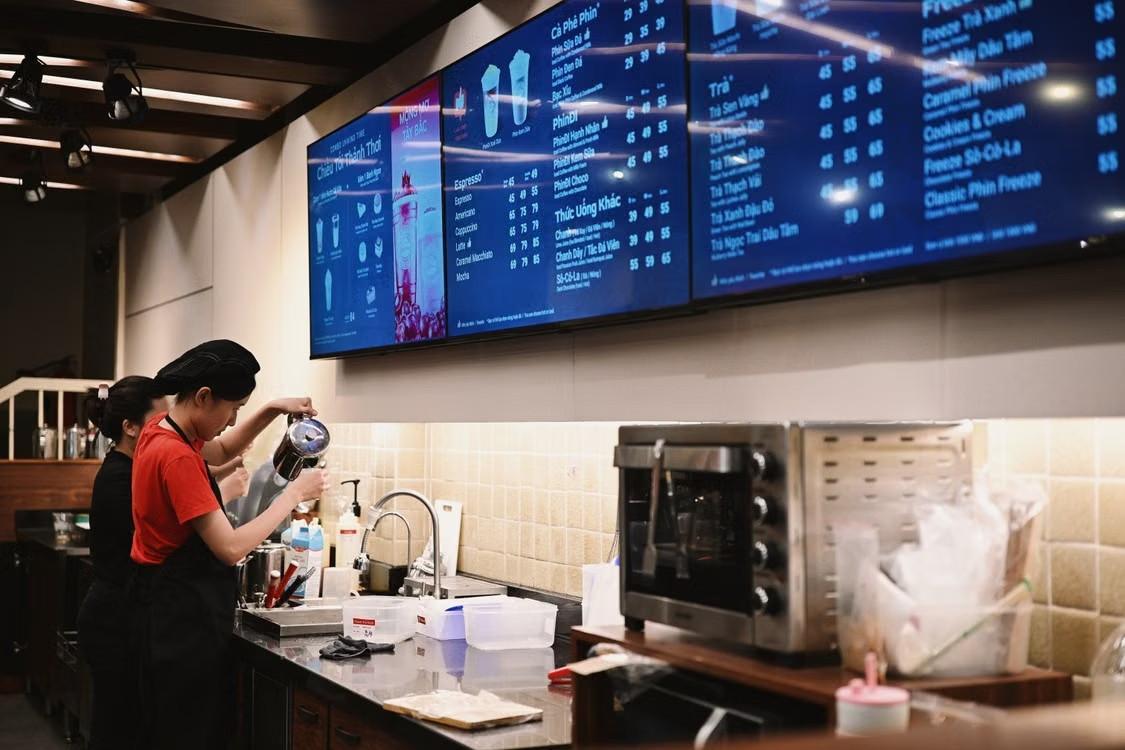
Menu boards sit at the very centre of the restaurant digital display conversation, and for good reason. They’re usually the first thing a customer studies before deciding what to order, which makes their clarity and appeal directly linked to sales. A well-designed digital menu display screen can guide attention towards higher-margin items, bundle deals, or daily specials simply through layout and visual hierarchy.
Restaurants switching to digital menu display screens also benefit from consistency across multiple locations. A head office can push the exact same pricing, imagery, and promotions to every branch simultaneously, removing the risk of outdated or mismatched information appearing at different sites. For digital menu display screens running throughout busy service hours, reliability matters just as much as appearance, since a screen that struggles to stay on for a full shift quickly becomes more of a liability than an asset.
Common advantages restaurants report after switching include:
- Faster updates to pricing, availability, and seasonal items
- The ability to schedule different menus for breakfast, lunch, and dinner automatically
- More consistent branding across multiple locations
- Reduced printing costs and less signage waste over time
Drive-Thru and Quick Service Restaurant Displays
Quick service and drive-thru restaurants face a particular challenge: customers need to make decisions quickly, often from inside a moving vehicle, with limited time to read a menu. This makes clarity and legibility even more important than in a sit-down setting, where diners have time to browse at leisure.
Digital displays suit this environment particularly well because content can be adjusted based on the time of day, weather, or even current queue length. Many quick service brands now rely on drive-thru menu boards built specifically for outdoor visibility, since these need to remain legible in bright sunlight, low light, and varying weather conditions throughout the day without losing readability.
Speed and Simplicity Matter Most
Unlike an in-store menu board, a drive-thru display needs to communicate quickly. Overloading the screen with too many options or excessive text tends to slow down decision-making rather than help it, so successful drive-thru layouts typically favour a handful of clear categories over an exhaustive list.
Outdoor and Window-Facing Digital Signage for Restaurants
Not every restaurant display sits inside the building. Window-facing screens and outdoor signage give restaurants the chance to attract passing foot traffic before a customer has even decided where to eat, which can be a significant advantage on busy high streets or in shopping centres.
This kind of digital signage for restaurants needs to cope with direct sunlight, changeable weather, and extended daily operating hours, all while remaining bright enough to stand out against daylight glare. Restaurants investing in outdoor digital menu boards for exterior use are typically looking to capture attention from people walking past, showcasing daily offers or signature dishes before they’ve even stepped through the door.
Outdoor and window displays work particularly well for:
- Showcasing daily specials or limited-time offers to passers-by
- Reinforcing brand identity through consistent exterior visuals
- Displaying opening hours, delivery options, or contact information
- Encouraging impulse visits during peak footfall periods
Self-Service Ordering and Interactive Displays
Self-service kiosks and interactive screens have become increasingly common in restaurants looking to reduce queuing times and give customers more control over their ordering experience. Rather than waiting to speak with a member of staff, customers can browse a full digital menu for restaurants at their own pace, customise their order, and pay directly at the screen.
This approach tends to suit quick service and casual dining formats particularly well, where speed and convenience are priorities for most customers. Restaurants introducing interactive flat panels for self-ordering often find that average order values increase slightly, since customers browsing independently are more likely to add extras or upgrade their meal without feeling rushed by a queue building behind them.
Interactive ordering displays can also reduce pressure on front-of-house staff during peak periods, freeing them up to focus on food preparation, table service, or customer support rather than repeatedly taking the same orders at a till.
Getting the interface right matters just as much as the hardware itself. A self-service screen with a confusing layout or too many steps can slow customers down rather than speed things up, undermining the entire point of introducing it. Restaurants that invest time in testing their ordering flow with real customers, and adjusting based on where people hesitate or get stuck, tend to see far smoother adoption than those that simply install a screen and leave the default layout untouched.
Choosing the Right Screens for a Restaurant Environment
Restaurant environments place particular demands on hardware that don’t always apply to other commercial settings. Kitchens generate heat, service areas see constant footfall, and screens are often left running for the entire length of a shift without a break. Choosing hardware that can handle this kind of continuous, high-pressure use is essential to avoid frequent breakdowns or premature replacements.
Considering Unusual Shapes and Spaces
Many restaurants have awkward wall spaces, narrow counters, or unconventional layouts where a standard rectangular screen simply doesn’t fit well. In these cases, some venues choose menu boards for restaurants built in a stretched, ultra-wide format, which suits narrow spaces above counters or tills far better than a conventional screen shape.
Balancing Durability With Budget
While cost isn’t the only factor to weigh up, restaurants should think carefully about the total lifespan of a screen rather than focusing purely on the initial hardware. A display built for continuous commercial use will typically outlast a cheaper, general-purpose panel by a considerable margin when used in a demanding restaurant setting.
Where to Position Restaurant Digital Displays for Maximum Impact
Placement plays a major role in how effective a restaurant digital display actually is. A beautifully designed screen positioned somewhere customers rarely look will struggle to deliver any real benefit, no matter how good the content looks. Thinking through the customer journey, from entrance to till to seating area, helps identify the locations where a screen will genuinely be seen and used.
Strong placement locations typically include:
- Above the till or ordering counter, where customers naturally look while deciding
- Near the entrance, to capture attention as customers arrive
- Along queue lines, to keep people informed and engaged while waiting
- In waiting or seating areas, for promotions, loyalty schemes, or entertainment content
Restaurants with multiple service points, such as a counter and a separate drive-thru lane, often benefit from slightly different content on each screen, tailored to how customers behave at that specific touchpoint.
Conclusion
Restaurant digital displays have moved well beyond simply replacing a printed menu; they now shape how customers browse, order, and experience a venue from the moment they arrive. Whether it’s a digital menu board guiding decisions at the counter, an outdoor screen catching the eye of passers-by, or a self-service kiosk speeding up the ordering process, each touchpoint plays a part in creating a smoother, more engaging visit. Restaurants that think carefully about placement, content, and hardware durability tend to see the most consistent benefits over time.
If you’re considering upgrading your restaurant’s signage or introducing digital displays for the first time, Beten can help you choose screens suited to your space, service style, and daily footfall. Get in touch with our team to discuss how the right restaurant digital displays could improve the experience you offer your customers.
Frequently Asked Questions
1. What are the main benefits of restaurant digital displays over printed menus?
Digital displays allow restaurants to update pricing, availability, and promotions instantly without reprinting. They also support scheduled menus for different times of day, such as breakfast or dinner. This flexibility saves time and reduces ongoing printing costs considerably.
2. Are digital menu boards suitable for small restaurants?
Yes, digital menu boards work well for restaurants of any size, including smaller independent venues. Even a single screen above the counter can replace multiple printed boards while offering far easier updates. Screen size and format can be tailored to fit smaller spaces comfortably.
3. Can restaurant digital displays be used outdoors?
Yes, outdoor-rated screens are specifically designed to handle sunlight, weather, and extended daily use. These displays are commonly used for drive-thru lanes, window-facing signage, and exterior promotional boards. It’s important to choose hardware built for outdoor conditions rather than adapting an indoor screen.
4. Do self-service ordering displays actually reduce queue times?
Self-service displays generally speed up ordering by allowing customers to browse and order independently at their own pace. This reduces pressure on staff during busy periods and often shortens queues at the till. Many restaurants also report a modest increase in average order value.
5. How often should content on restaurant digital displays be updated?
This depends on the restaurant, but many venues update content daily or even multiple times throughout the day for different meal periods. A flexible content management system makes frequent updates far easier to manage. Seasonal menus and limited-time offers are common reasons for more frequent changes.
6. What should restaurants consider when choosing digital display hardware?
Restaurants should prioritise screens built for continuous, high-traffic commercial use rather than general-purpose panels. Factors like brightness, screen shape, and durability all matter, particularly in busy kitchen-adjacent or outdoor locations. Considering the total lifespan of a screen is often more useful than focusing solely on upfront hardware choices.