

Digital signage has become a powerful communication tool for organisations operating in today’s competitive landscape. From increasing brand visibility and driving sales to improving how customers and employees engage with information, digital displays are changing the way businesses connect with their audiences. As adoption continues to grow across industries, digital signage is now widely recognised as a valuable asset for modern brands.
Alongside this growth, QR code technology has added a new dimension to digital signage. In recent years, QR codes have played a key role in evolving how digital displays are used, allowing brands to create instant, interactive touchpoints with their audiences. By linking on-screen content to digital experiences, QR codes help make campaigns more engaging and immersive.
In this article, we explore how QR codes are shaping digital signage marketing today and how your business can use this technology to create more impactful customer experiences.
What is QR Code Digital Signage?
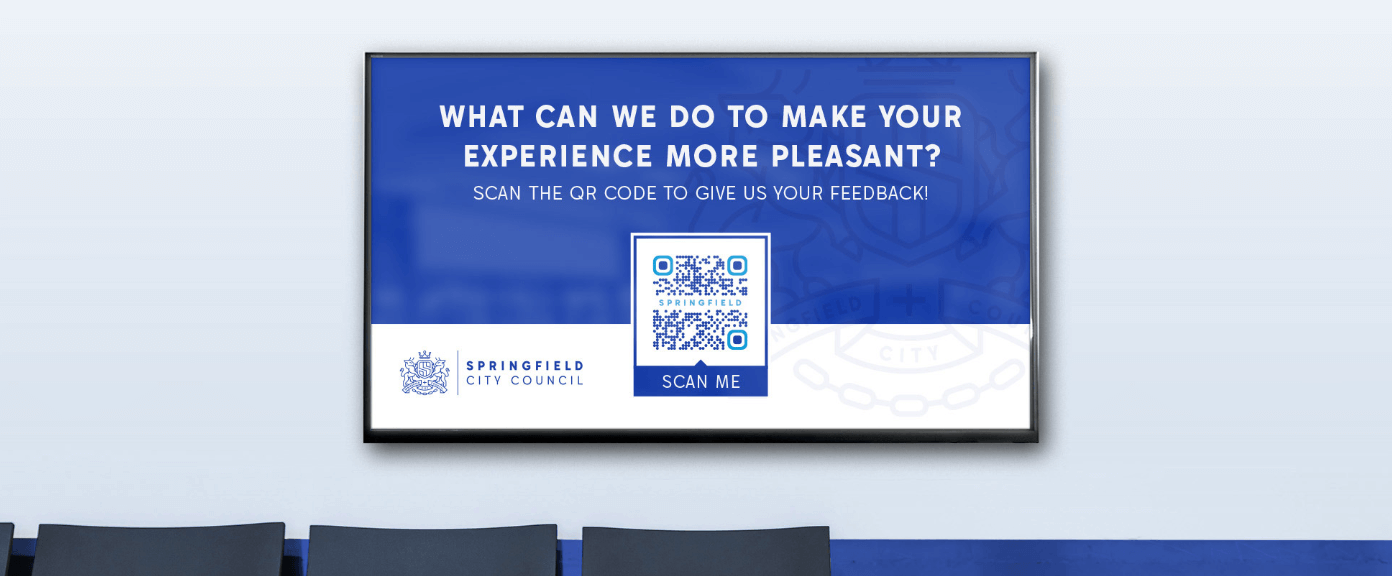
QR codes (Quick Response codes) were first developed in Japan in the 1990s as a more advanced alternative to traditional barcodes. Unlike standard one-dimensional barcodes that only hold information in a single direction, QR codes store data across both horizontal and vertical axes, allowing them to contain far more detail within a small space. Their everyday use has grown rapidly in recent years, with tens of millions of people now scanning QR codes on their smartphones each year. Adoption has increased significantly since 2020 and is forecast to continue rising over the coming years, highlighting how QR codes have become a familiar part of how people access digital content.
When displayed on digital signage, QR codes add an interactive layer to on-screen messaging. Viewers can instantly connect to online content by scanning the code on their mobile device, whether that leads to a website, video, menu, booking page or additional information. This creates a smooth link between physical displays and digital experiences, giving organisations a quick and effective way to encourage engagement beyond the screen.
Why You Need QR Codes Digital Signage
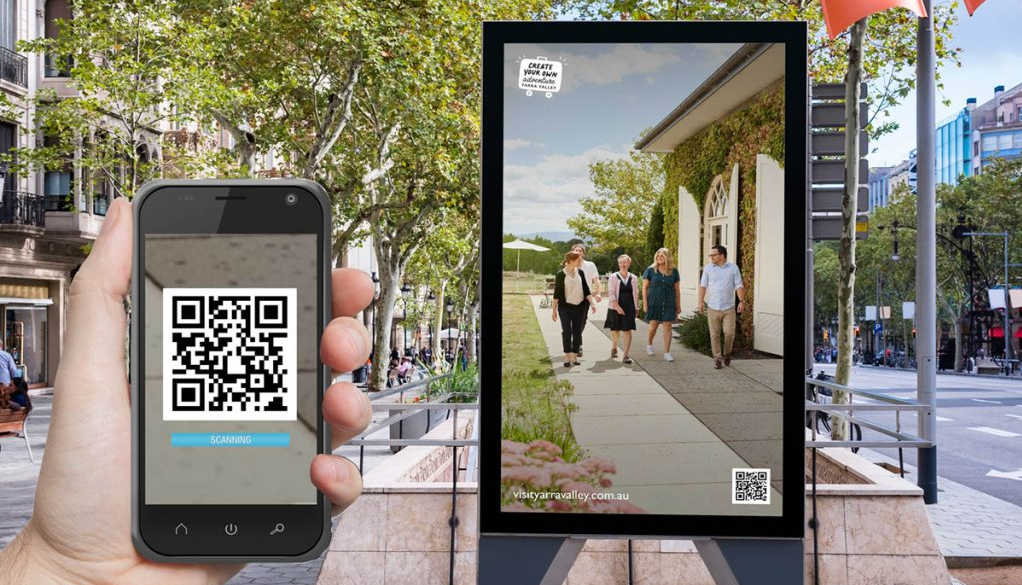
QR codes were originally introduced within the automotive sector as a way to manage stock and track parts, but their role has expanded significantly over time. As technology has advanced, QR codes have become a common tool for sharing information, supporting interactive campaigns, enabling mobile ordering and enhancing digital experiences. Their everyday use accelerated around 2019, as contactless interactions became more widespread, positioning QR codes as a practical way for brands to connect with audiences quickly and safely.
One of the key strengths of QR codes is their ability to link physical spaces with online content. They provide a simple route for people to move from on-screen messaging to digital platforms, creating a smooth and intuitive experience. This connection helps build stronger relationships with customers and supports continued engagement beyond the initial interaction.
Key benefits of QR code digital signage
- Increase brand visibility- QR-enabled displays naturally draw attention in busy environments, helping brands stand out and encouraging audiences to interact with on-screen content.
- Improve customer experience- QR codes make it easier for people to access relevant information or services instantly. In hospitality settings, for example, QR-enabled digital menus allow customers to view options, tailor their choices to dietary needs and place orders more efficiently, reducing waiting times.
- Support data-driven insight- Interactions with QR-linked content can provide useful insight into customer behaviour, preferences and feedback, helping organisations refine their marketing and improve products or services.
- Keep content flexible and up to date- Unlike printed materials, QR-linked content can be updated at any time. Prices, promotions and information can be changed instantly, keeping messaging accurate while reducing ongoing print costs.
- Create richer, more engaging experiences- QR codes can link to videos, imagery and detailed content, allowing customers to explore products or services in more depth before making a decision.
- Make engagement simple and accessible- QR codes are quick to set up and easy to scan using a smartphone, making interaction straightforward for both businesses and audiences.
How to Create a Customised QR Codes for Digital Signage
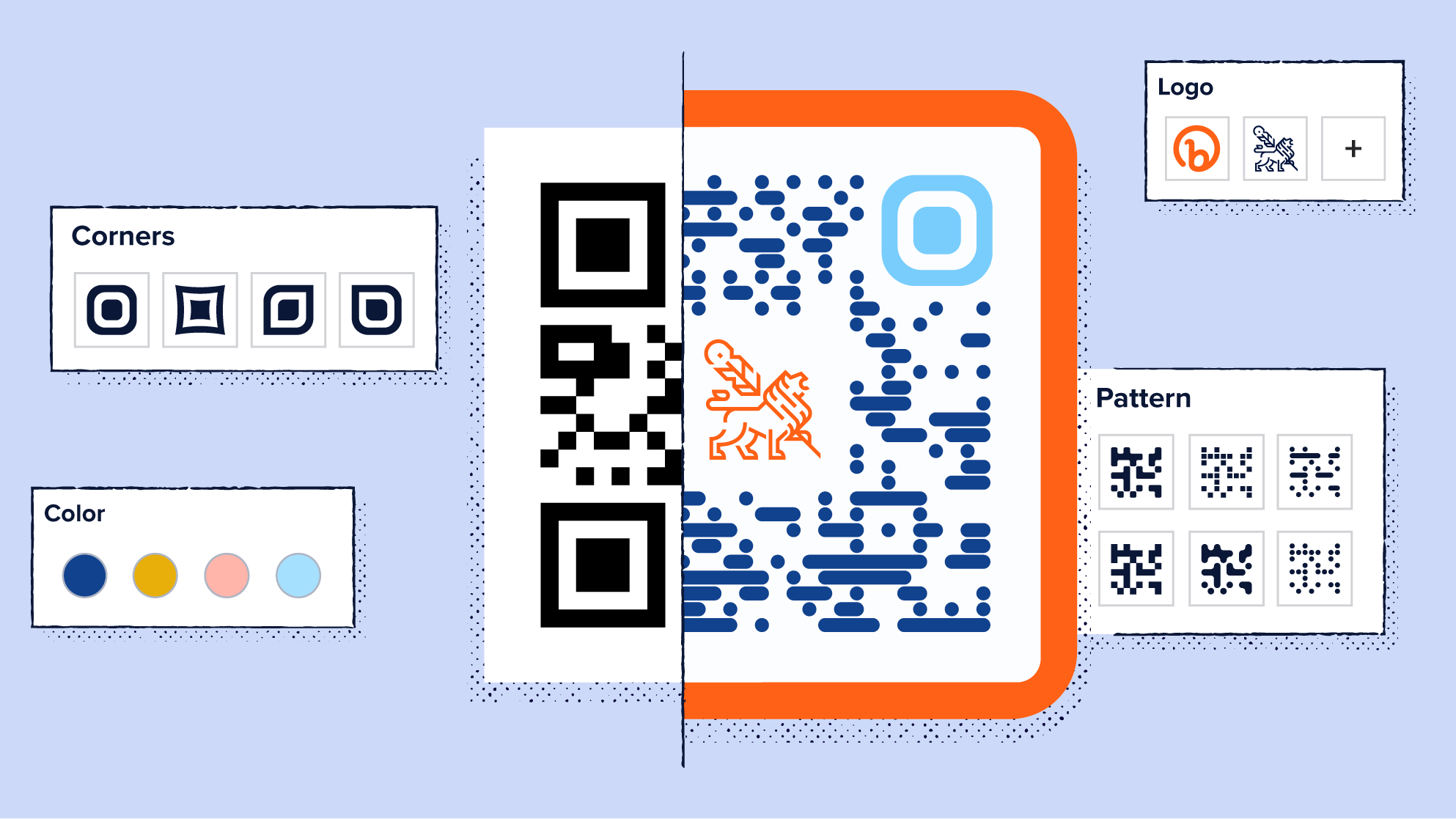
There are several ways to create QR codes, and the best option will depend on how you plan to use them and how much control you need over the design:
- Online QR code generators
Web-based tools allow you to create QR codes by entering a link or message and adjusting basic design elements before downloading the image file. - Mobile apps
QR code generator apps offer a quick and convenient way to create codes directly from your phone, making them useful for on-the-go updates or testing. - Office software
Some office applications, such as Microsoft Excel, support QR code creation through built-in features or add-ins, which can be useful for workplace tasks and documentation. - Developer tools
For more advanced use cases, QR codes can be created using programming languages such as Python. This approach offers greater control and customisation, making it suitable for automated or large-scale deployments.
Best Design Guidelines for QR Code Digital Signage
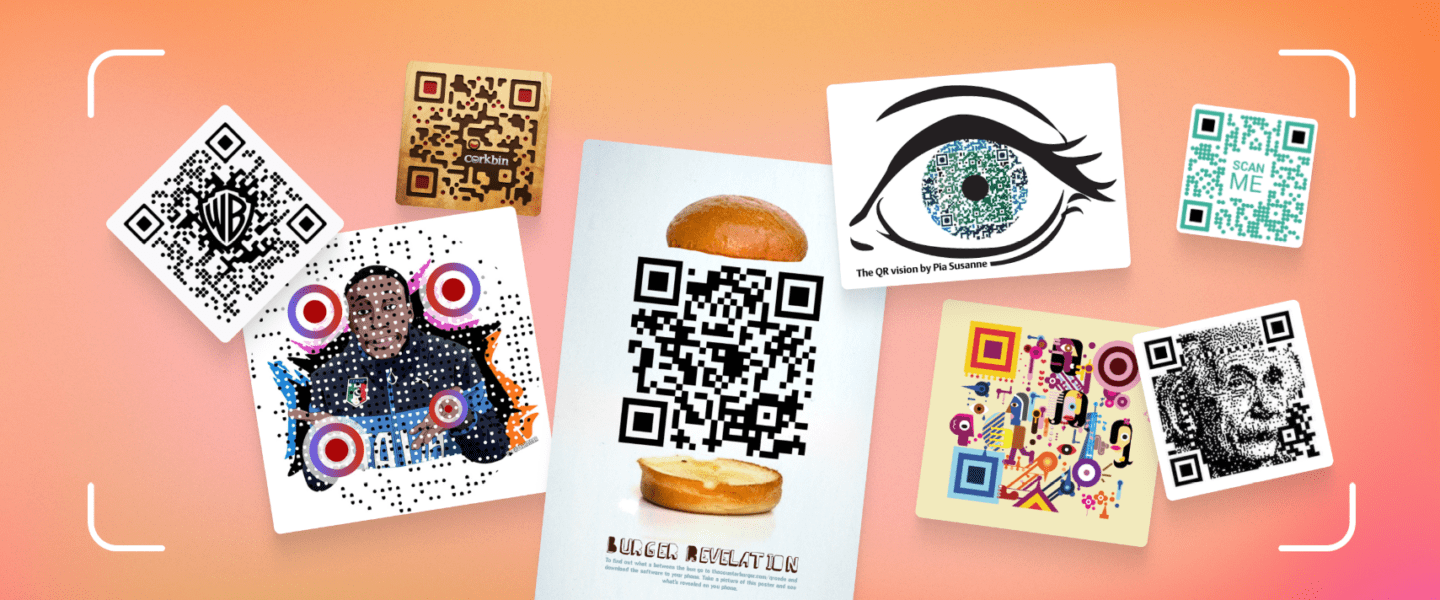
Good design plays a key role in how effective QR code digital signage is. Following a few simple principles can help ensure your QR codes are easy to use and encourage interaction:
- Make QR codes easy to scan
Ensure the code is displayed at a suitable size and remains clear on screen, whether viewers are close by or a few steps away. Avoid busy backgrounds, low contrast colours or visual effects that could make scanning difficult. - Consider placement and layout
Position QR-enabled signage where it feels natural to interact with it and where people have time to scan. In retail environments, for example, placing QR codes near products, displays or payment areas can help prompt engagement at the right moment. - Keep branding consistent
Using brand colours, logos or subtle framing around the QR code can support brand recognition and visual appeal. Just be careful not to over-style the code itself, as this can affect how reliably it scans.
Industry Applications of QR Code Digital Signage
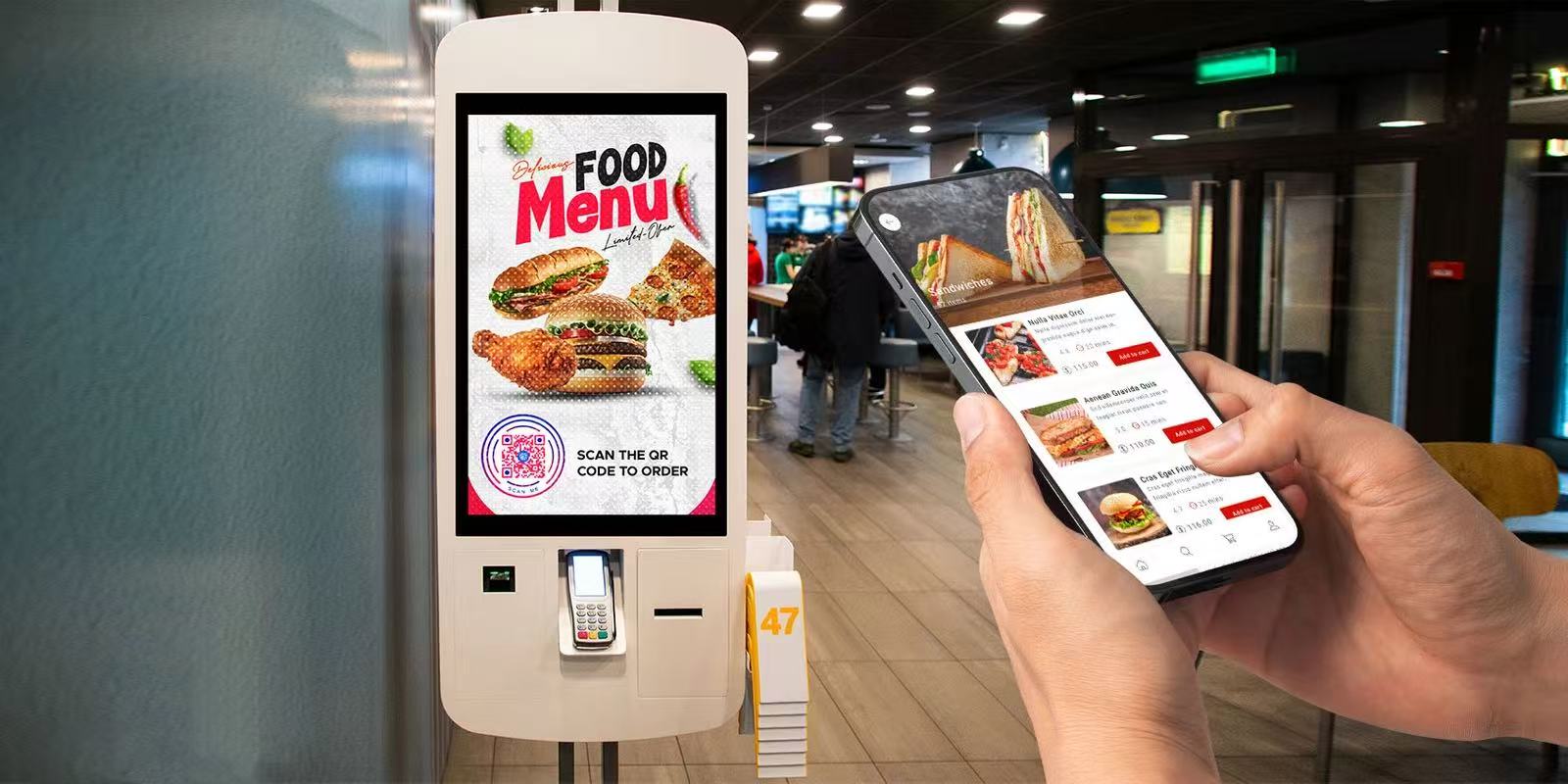
QR code digital signage can be applied across a wide range of industries to improve how people access information and interact with content:
Retail
QR-enabled displays allow shoppers to view product information, pricing and reviews instantly, as well as access additional content or purchase options online. This helps create a more convenient and engaging in-store experience.
Hospitality
Hotels and accommodation providers can use QR codes on digital displays to offer guests quick access to services, local information or personalised recommendations, helping to improve the overall guest experience.
Public spaces and visitor attractions
In museums, galleries and tourist destinations, QR codes displayed on screens can link to background information, guides or real-time updates, adding depth to the visitor experience and reducing the need for printed materials.
Restaurants and cafés
QR-enabled digital menus allow customers to browse the latest options, view dietary information and place orders without physical menus. This supports faster service and a more contactless dining experience.
Events and entertainment venues
At exhibitions, conferences and live events, QR codes on digital signage can share schedules, maps and speaker details, as well as enable interactive features such as feedback forms or audience participation.
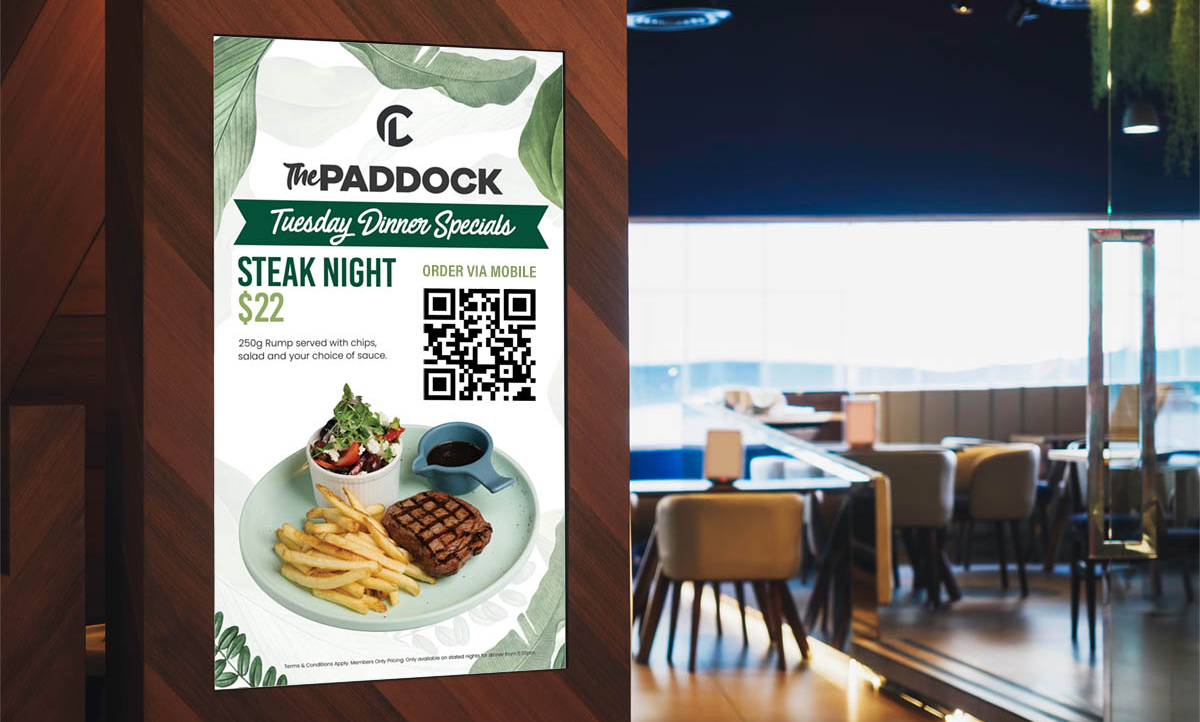
QR code digital signage goes beyond being a simple technology upgrade — it offers a more interactive way for brands to connect with their audiences. By incorporating QR codes into digital display screens, organisations can create smoother user journeys, strengthen brand presence and gain useful insight to support more targeted marketing.
When designed and implemented thoughtfully, QR-enabled digital signage opens up new opportunities for engagement and communication. As digital experiences continue to shape how people interact with brands, this approach provides a practical way to stand out and deliver more meaningful customer interactions in an increasingly digital environment.