
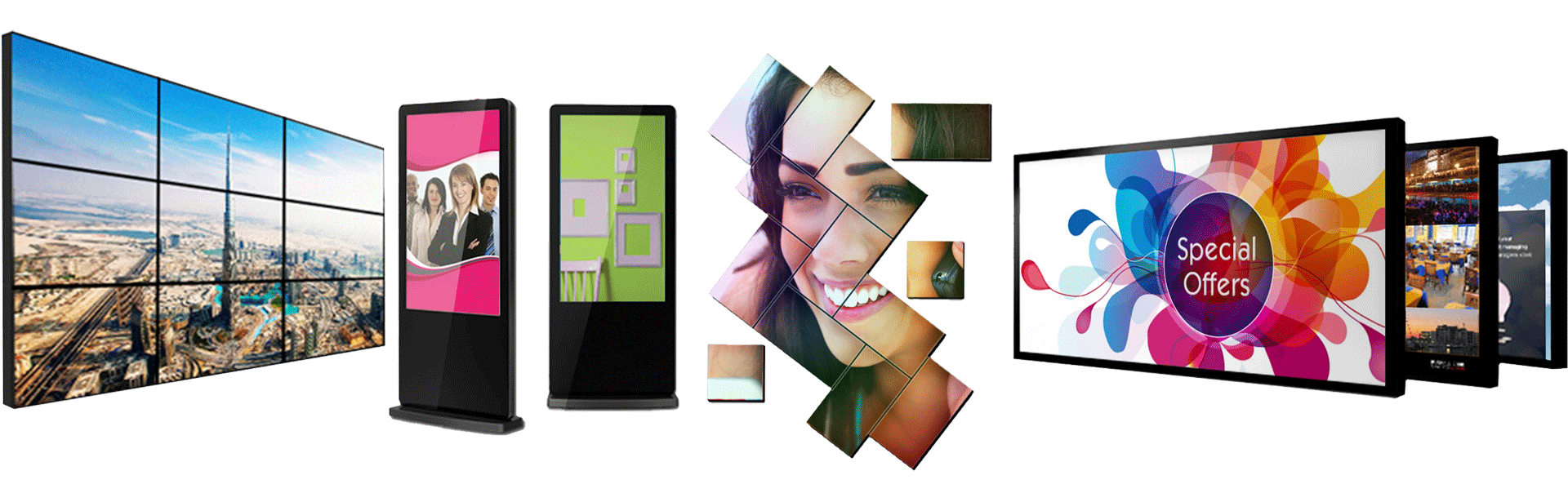
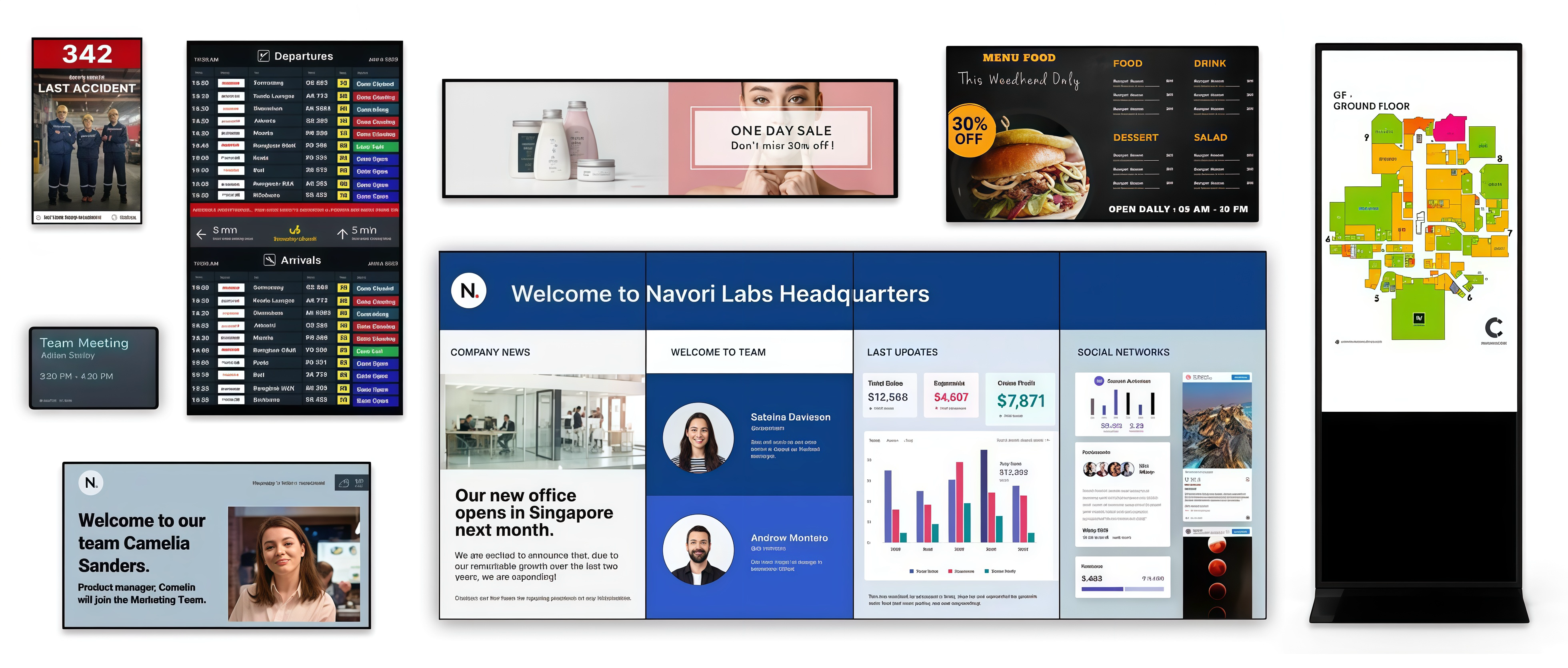
Digital signage offers a modern way to share business, financial, and entertainment information with audiences through display screens. These adaptable screens can be used indoors or outdoors and often come with remote management capabilities. They are capable of presenting a wide range of content, including text, images, videos, audio, web pages, and interactive elements.
Digital signage has become an important tool in modern business and communication, helping to capture and hold viewers’ attention. Since different situations and goals require different solutions, selecting the right type of digital signage is essential. This article looks at the most common kinds of digital signage and their key features, guiding you to make the best choice for your needs.
Key Considerations for Digital Signage Display Technology
Picking the right digital signage starts with knowing what different types of screens can do. Common choices include LCD, LED, and OLED displays, each with its own strengths when it comes to image quality, ideal usage, and overall performance. Below, we take a closer look at the benefits and drawbacks of these three technologies to help you make an informed decision.
1. LED Digital Signage
LED screens are great for outdoor use because they are very bright, colorful, and durable. You’ll often see them in places like billboards, stadiums, and concert stages. On the downside, LED displays may not provide ultra-high-definition image quality due to resolution limits, and they can be more costly than other options.
2. LCD Digital Signage
LCD digital signage uses liquid crystals to produce clear, high-resolution images, making it a popular choice for indoor settings like conference rooms, lobbies, and shopping centers. It offers benefits such as sharp visuals, energy efficiency, affordability, and long-lasting performance. On the downside, LCD screens often have narrower viewing angles and may not display deep blacks perfectly, sometimes giving images a slightly grayish appearance.
3. OLED Digital Signage
OLED technology is a next-generation display option, delivering outstanding image quality with self-lighting pixels. These screens offer wide viewing angles, a slim design, and bright, vibrant visuals. On the downside, OLED displays tend to be more expensive and may have a shorter lifespan compared to other screen types.
Choosing the Right Digital Signage for Your Needs
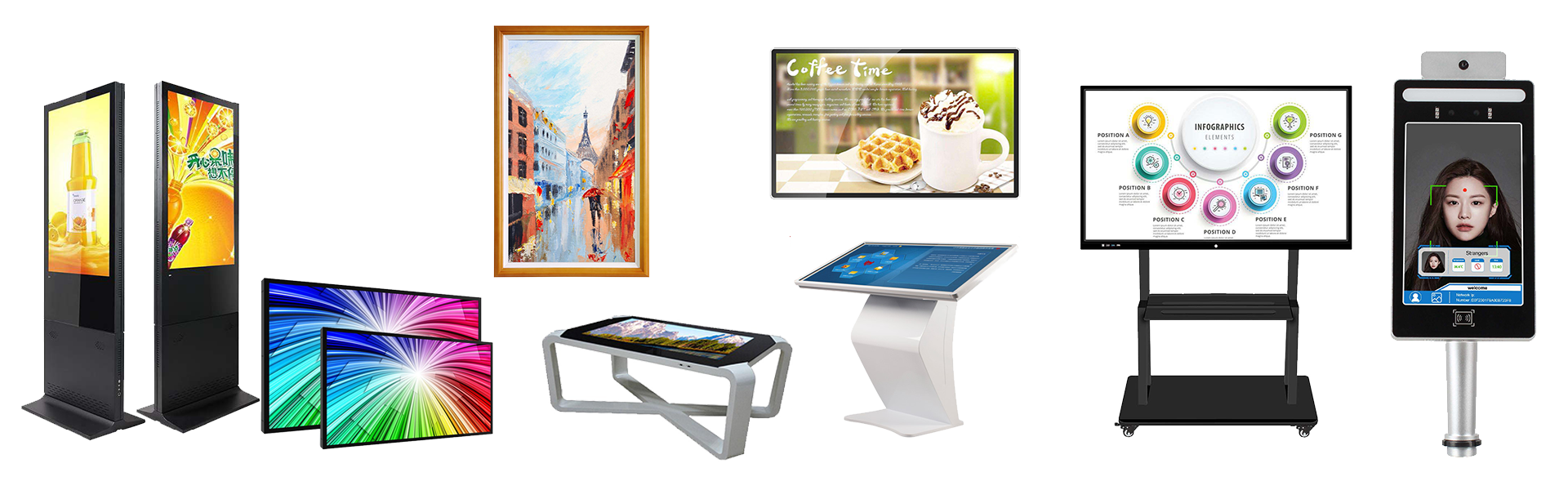
Digital signage comes in a variety of styles, each designed for specific functions and applications. Choosing the right model ensures precise and effective communication, tailored to your unique business requirements. Below, we explore three popular types of digital signage commonly used by businesses:
1. Interactive digital signage
Interactive digital signage is changing the way businesses engage with customers. Unlike traditional screens, these displays let people explore content directly, creating more engaging and memorable experiences. They make information easier to navigate, improve the overall user experience, and help businesses strengthen their brand. By keeping viewers interested and encouraging repeat interaction, interactive signage can boost customer satisfaction and support business goals.
Common Applications:
- Retail Stores: Touch-screen terminals allow customers to look up product information easily.
- Hospitals/Airports: Interactive screens help visitors navigate quickly and efficiently.
- Restaurants: Digital menus enable personalised ordering, offering a more engaging dining experience.
- Museums: Screens provide background information about exhibits, enhancing the visitor experience.
2. Indoor Digital Signage Displays
Indoor digital signage is a smart and versatile way to display advertisements, multimedia, or important information inside buildings. Unlike static signs, these displays can be updated in real time and customised to suit different needs. They can show text, images, videos, and dynamic content such as weather or exchange rates, offering a richer, more personalised experience and creating new opportunities for communication.
With moderate brightness levels (300–450 cd/m²) and the ability to operate 24/7, indoor digital signage is suitable for a wide range of environments. Its lightweight, durable design allows for flexible and safe installation, while features such as remote management and compatibility with various media make it an essential tool for modern business communication.
Common Applications:
- Retail: Display promotions, discounts, and product recommendations to engage customers and drive sales.
- Corporate Communications: Share announcements and performance updates quickly and efficiently.
- Healthcare: Show appointment schedules, medical guidelines, and patient information.
- Education: Broadcast class timetables, announcements, and emergency notices.
- Manufacturing: Present real-time production data, safety guidelines, and operational procedures.
- Museums/Galleries: Provide historical context and detailed explanations for exhibits.

3. Outdoor Digital Signage Displays
Outdoor digital signage is built to deliver high-quality visuals even in challenging weather conditions. With bright, vivid displays (2,500–4,000 cd/m²) and smart features, it remains clear and colourful even in direct sunlight. A built-in light sensor automatically adjusts brightness to save energy. Its sturdy design includes IP65-rated protection against water, dust, and corrosion, as well as a temperature control system, allowing it to operate reliably in extreme conditions from -40°C to +50°C.
Outdoor digital signage displays also support custom designs to match branding needs, making it an excellent choice for businesses looking to elevate their outdoor presence.
Common Applications:
- Outdoor Drive thru Menu Boards: Showcase menu items and promotions to attract attention and increase restaurant sales.
- Public Transport Stations Outdoor Displays: Provide timely transport information at bus and train stations, while also featuring eye-catching advertisements for products or services.
- Wayfinding Kiosks: Help visitors navigate shopping centres with store directories and information queries, improving the customer experience and operational efficiency.
Conclusion
Digital signage has become a key part of modern communication. Choosing the right screen technology and features should always reflect your specific needs and how the signage will be used. Whether you select LED, LCD, or interactive displays, making informed decisions based on your requirements is crucial. When used effectively, digital signage can improve information delivery, enhance advertising impact, strengthen brand identity, and support business growth.